The guide to EV Charger Installation in Glasgow
A Guide to Home EV Charger installation in Glasgow


Installing a home EV charger should make owning an electric car easier, not more complicated. Once the right charger is fitted in a convenient position, most day-to-day charging can take place while the vehicle is already parked at home.
That means less reliance on public charging at supermarkets, retail parks and town-centre car parks, and fewer journeys made solely to find an available charging point. For many drivers, the routine becomes simple: arrive home, plug in and let the vehicle charge overnight.
The installation itself can range from a straightforward charger fitted beside a driveway to a more involved project requiring under-floor cabling, a long armoured cable run, a detached-garage supply, trenching or a charger mounted on a post beside the parking space.
Glasgow’s varied housing stock makes a proper assessment particularly important. A modern house in East Kilbride may present a very different cable route from a sandstone property in Pollokshields, a Victorian home in Glasgow’s West End or a larger detached house in Bearsden or Newton Mearns.
This guide explains what is involved in a home EV charger installation, how to choose the right equipment and what should be checked before work begins.
Important: The prices discussed here are general market estimates rather than a fixed Glasgow EV Chargers price. Every quotation should be based on the charger selected and the actual installation requirements.
A 7kW or 7.4kW charger is the usual choice for a UK property with a suitable single-phase electricity supply. It provides a practical balance between charging speed, equipment cost and the capacity commonly available in domestic properties. Which? describes 7kW as a good option for most drivers and notes that 22kW home charging generally requires a three-phase supply.
For a straightforward installation, the overall price normally includes two main elements:
The price of the charger can vary according to its brand, design and features. A simple untethered unit may cost less than a premium tethered charger with a display, longer attached cable, advanced energy monitoring or solar integration.
The installation cost then depends on the property. The distance from the electrical supply to the charger position, the cable route and any additional protective or enabling work can all affect the quotation.
A dedicated charger provides a permanent charging point where the vehicle is normally parked. It is faster and more practical than relying regularly on a portable three-pin charger and can be scheduled to charge while you are asleep or during lower-priced electricity periods.
The Energy Saving Trust describes home charging as the lowest-cost way to charge where a suitable driveway or garage is available. It also notes that public fast and rapid charging is normally more expensive than charging at home. As mentioned on our EV Charger Range page, it's highly-beneficial having a dedicated, 7kW Home EV Charger installed at your home, over a 3-pin 'granny charger', which isn't designed necessarily for long-term, continued use at high-power....they can have a role as an occasional or emergency option, but domestic extension leads and improvised outdoor arrangements should not be treated as a permanent solution. Electrical Safety First specifically advises against using domestic multi-socket extension leads or daisy-chained leads to charge an EV.
When selecting an EV charger, consider factors such as charging speed, compatibility with your vehicle, and installation requirements. Popular options include:
The cost of installing an EV charger can vary based on several factors, including the type of charger, installation complexity, and any necessary electrical upgrades. On average, homeowners can expect to pay between £850 and £1,500 for a complete installation - most typically, £850 to £1,250 for a proper, approved and accredited glasgow EV Charger installer to carry out the installation. The important point to note, is that for quality, compliance and assurance, you want an installer who's qualified not only as an electrician, but as an EV Charger installer, is properly insured, accredited, and also an approved brand installer (to ensure your charger's warranty is registered properly and is valid).
The installation process typically involves the following steps:
Installing an EV charger at home in Glasgow is a smart investment for EV owners. With the right information and professional assistance, you can enjoy the benefits of convenient and efficient charging. For more details on installation services, feel free to reach out to local providers.
A dedicated 7kW home charger can replace the energy used during normal daily journeys far more quickly than a portable charger connected to a domestic socket.
Actual charging speed depends on:
A charger cannot force the vehicle to accept more power than its onboard charging system allows. Choosing a more expensive or higher-rated charger therefore does not automatically make every electric car charge faster.
Public chargers remain valuable for longer journeys and drivers without home parking, but they can be less convenient for everyday use.
Home charging allows the vehicle to recharge while it would otherwise be sitting unused. There is no need to wait at a charging hub, check whether a bay is free or make a separate journey to a charger at a supermarket or public car park.
New private domestic and workplace chargers sold in Great Britain are generally required to include smart functionality. This allows charging to be scheduled, monitored and adjusted, including during periods when electricity demand is lower.
Depending on the charger, app and energy supplier, smart features may include:
(Tariff and charger integrations can change, so compatibility should be checked before the equipment is purchased.)
For homes with a suitable single-phase electrical supply, a 7kW or 7.4kW charger is normally the practical domestic choice.
It offers useful overnight charging without requiring the three-phase supply generally associated with higher-output AC charging. Whether the full output is available will depend on the property’s electrical capacity, the vehicle and any load-management controls.
A professional assessment should consider the charger alongside the rest of the household demand rather than looking at the charger in isolation.
Answer is, you can*....dependent on your home's electrical infrastructure - namely single phase or three-phase? Higher-output AC chargers generally require a three-phase supply. Even where three-phase electricity is present, the vehicle must also be capable of accepting the higher AC charging rate - many are not.
For many households, a 22kW unit would add cost without reducing the charging time because the car itself cannot accept 22kW AC.
Before choosing one, here's a few things to check and consider:
One of the first decisions is whether the charging cable should remain attached to the unit.
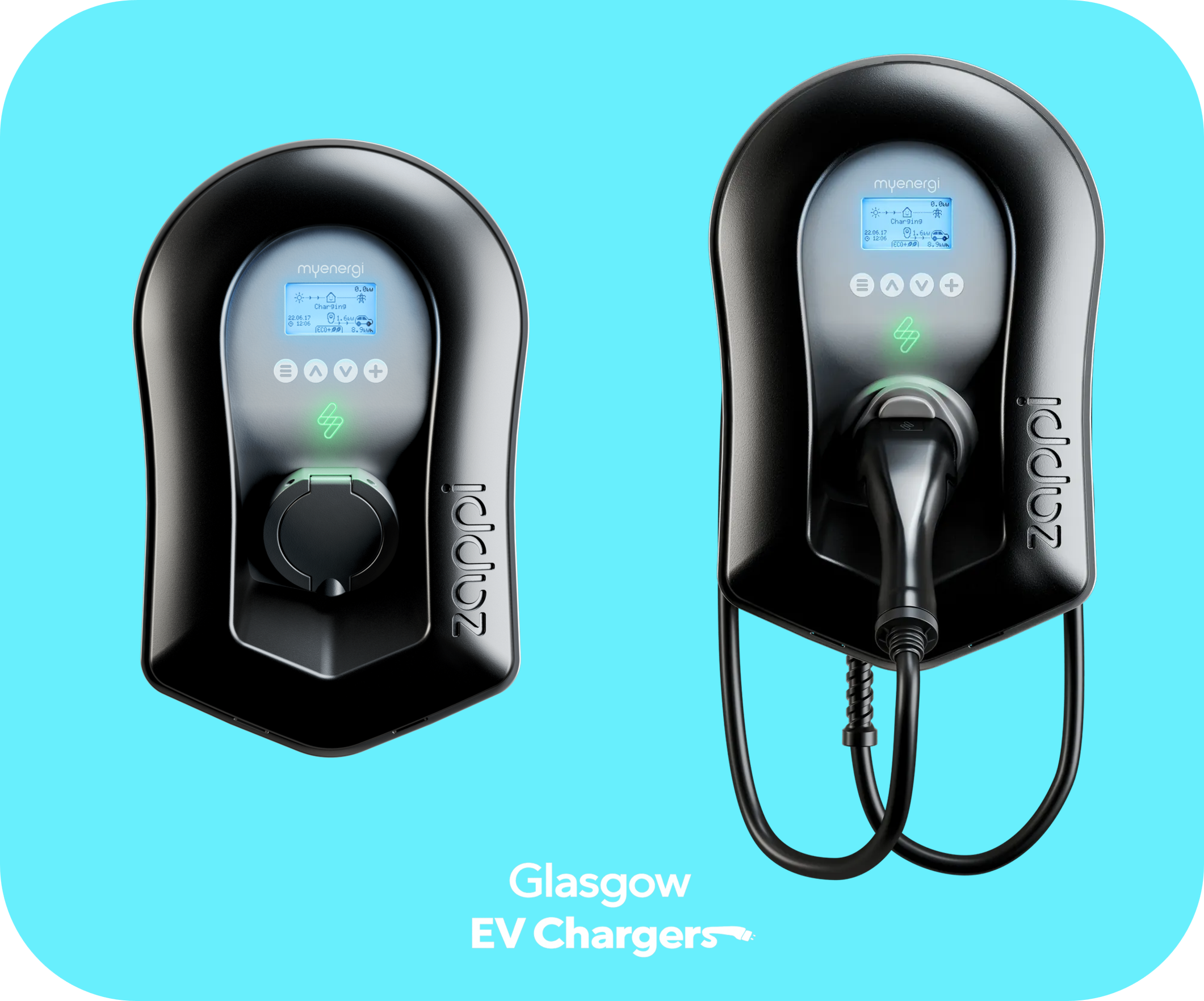
A tethered charger is usually the most convenient option for frequent home charging. The cable is already connected, so the driver removes it from the holster and plugs it into the car. You should consider the cable length and where the vehicle’s charging port is located. A cable that comfortably reaches one car may be less convenient if a future vehicle has its charging port on the opposite side.
An untethered charger has a socket rather than a permanently attached lead. It can appear tidier when not being used and allows the charging cable to be replaced separately, which gives our customers the flexibility of using a different length cable at some point if required. We had an installation in Calton recently where the customer wanted to charge their own vehicle in their driveway, but also family visitor's vehicles parked on the pavement - a 10m additional cable allowed them to do this.
There's no single charger that is automatically best for every EV driver. The best model for you, depends on your electric car, property, routine and the features that you'll genuinely use.
Your charger choice, and electric car's compatibility depends on:
Some Home EV Chargers can use surplus electricity generated by solar panels. The available modes differ between the brands, and performance depends on the solar array you have, household demand, battery storage setup and the electric car you have. Tell your installer if you have solar panels, or plan on getting them - as well as home batteries, heat pumps etc. They'll tailor their offering and proposal of EV Chargers around this, and ensure you get exactly what you need installed.
Every home, driveway, and cable-route is slightly different. The most suitable charger and installation method should always be based on your actual vehicle and property, rather than a generic online package. Glasgow EV Chargers can assess all installations, from driveway EV installations to longer and more complex routes involving detached garages, underground cables, charging posts, converted properties and allocated parking (or no off-street parking!).
All we need for an initial assessment is your postcode, vehicle make & model, and any further details you may wish to share. We can visit at no charge, and present a tailored proposal specific to your requirements and property.
Most modern electric cars sold in the UK use a Type 2 connection for home AC charging. Some older vehicles and imports use Type 1, so the vehicle’s age and specification should be checked if it is not a current model.
EV charger installation requires appropriate knowledge of dedicated charging circuits, protective devices, earthing arrangements, load management, and EV Charger commissioning. It is sensible to use an experienced EV charger installer who understands the relevant equipment and installation requirements, has their Level 3 EV Installation qualification, and is an Approved Installer of the brand being installed.
An untethered charger can offer flexibility because the cable is removable and can be replaced if a different length or connection is needed. However, a modern tethered Type 2 charger should also remain suitable for most new electric vehicles for many years.
No. Although most chargers can use electricity generated by the property, only certain models offer dedicated controls designed to prioritise or manage surplus solar energy. If solar charging is important, this should be considered when choosing the unit. We'll take all of this down during the survey, whether remote or visiting, and factor it into the options offered, should you wish to have a solar-integrated EV charger installed.
Our latest news and trending topics